Charity in Nepal: Where Your Donation Actually Goes
A rupee given to a Nepali charity leaves a paper trail in five places — the ledger, the auditor's report, the general assembly minute, the District Administration Office and the Social Welfare Council. Here is each document, who holds it, and how to ask for it.
In this article (6)
Give Rs 5,000 to a charity in Nepal and where your donation goes stops being a matter of trust the moment you learn the names of the documents. The rupee lands in the organisation's bank account, becomes a line in a ledger, is checked by an auditor the members themselves appoint, is approved at an annual general assembly, and then travels into two government filings: a statement of accounts lodged with the District Administration Office, and — for organisations affiliated with the Social Welfare Council — an audit report lodged in Kathmandu. Each of those is a real piece of paper with a date and a signature on it, and you are entitled to ask any organisation to put it in front of you.
Almost every English page about giving to Nepal is written by a charity registered somewhere else — Canada, Australia, the UK, the US — explaining its own overhead ratio. That is a useful number in its own country and it tells you nothing about the Nepali chain. This article describes the chain a locally registered organisation actually sits in. We are a non-profit organization in Nepal registered and based in Ganeshman Charnath Municipality, Dhanusha, in Madhesh Province, so the obligations below are ours as much as anyone's.
Where your donation goes inside a charity in Nepal, step by step
1. The bank account, not a pocket
The first honest question is whose name is on the account. A registered association is a body corporate with its own seal, able to hold property in its own name, under the Associations Registration Act, 2034 — so there is no reason for a donation to sit in an office-bearer's personal account. Where foreign money is involved the law is explicit: assistance from foreign organisations to approved projects must be channelled through commercial banks operating inside Nepal, under section 16 of the Social Welfare Act, 2049. Ask for the account name before you transfer anything. It is a ten-second check that eliminates most of what goes wrong.
2. The ledger and the auditor
Your rupee becomes a receipt number and a head of expenditure. At the end of the Nepali fiscal year, which closes at the end of Ashad in mid-July, those heads are added up and handed to an auditor. The auditor is not chosen by the staff: in the model statute that every association files at registration, the annual general assembly appoints the auditor and receives the auditor's report through the treasurer. That is the first point at which somebody outside the office looks at your money.
3. The general assembly that signs it off
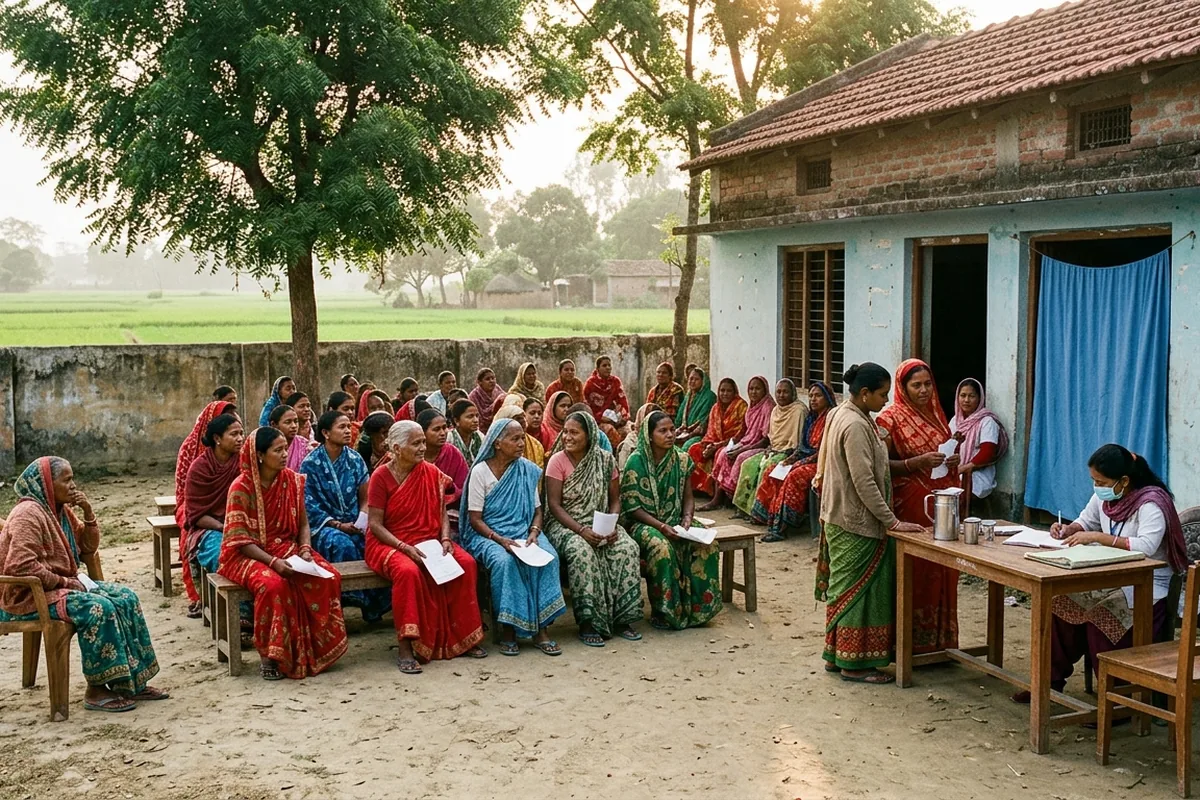
The same assembly discusses and approves the audit report, the annual progress statement and the next year's budget. A special assembly can be called when a quarter of the members demand it. This is the layer donors most often miss — in a small Nepali organisation the members are usually local people, and a decision they refuse to endorse does not quietly go through.
4. The District Administration Office
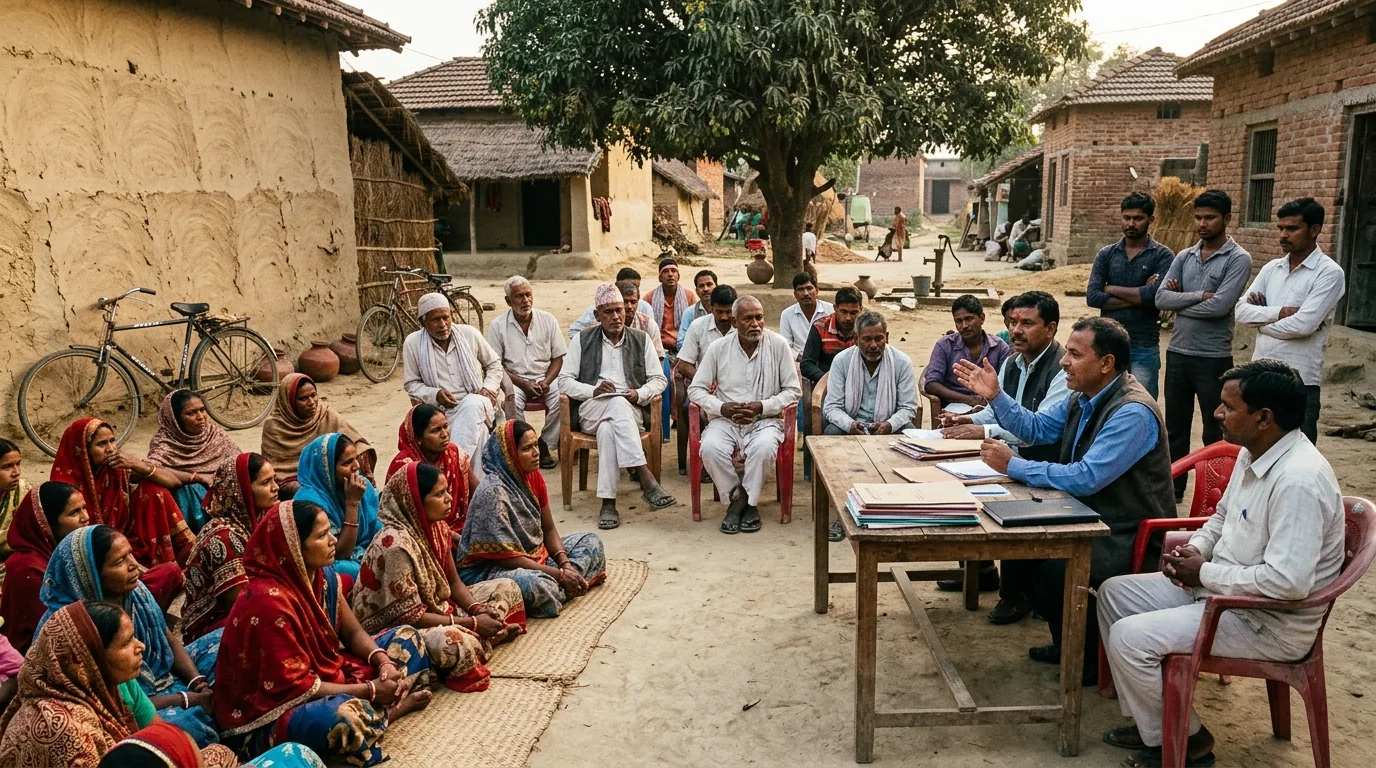
Section 9 of the Associations Registration Act is one sentence long and it is the backbone of the whole system: the management committee must submit the statements of accounts to the Local Authority every year, along with the report of the auditor. The Local Authority is the Chief District Officer — for us, the Dhanusha DAO in Janakpur. Section 10 lets that office send its own officer to examine the accounts, and section 12 puts a fine on each committee member who fails to file. Separately, under rule 5 of the Association Registration Rules, 2034, the registration certificate is valid for one fiscal year and must be renewed within three months of the year's end on a Rs 500 fee, with late fees climbing year by year after that. That is why an organisation's renewal record is the single most informative thing on its certificate.
5. The Social Welfare Council
Affiliation with the Council is applied for, not automatic — section 13 of the Social Welfare Act covers organisations "willing to keep affiliation". It becomes unavoidable the moment foreign or government project money is involved, because section 16 requires a project proposal and application to the Council first, with a decision due within 45 days; only small work worth up to Rs 200,000 a year that is finished immediately can proceed on prior notice plus a report within three months. Once affiliated, section 23(2) requires the audit report and a description of the year's work to reach the Council within six months of the fiscal year closing, and section 18 lets the Council inspect the accounts and cash at any time.
What a charity in Nepal has to file every year
| Document | Goes to | When | Authority |
|---|---|---|---|
| Statement of accounts with the auditor's report | District Administration Office | Every year | Associations Registration Act 2034, s.9 |
| Renewal of the registration certificate | District Administration Office | Certificate runs one fiscal year; renew within three months of its end | Association Registration Rules 2034, r.5 |
| Audit report plus description of work and activities | Social Welfare Council (affiliated organisations) | Within six months of fiscal year end | Social Welfare Act 2049, s.23(2) |
| Project proposal for foreign or government assistance | Social Welfare Council | Before the project starts | Social Welfare Act 2049, s.16 |
| Annual progress statement, income and expenditure, next year's budget | The organisation's own general assembly | Once a year | Statute filed at registration |
The five things to ask for before you give
- The registration certificate, and the renewal grid on it. The certificate has a table for renewal date, period covered, fee and the Local Authority's signature. A blank or stale grid is the clearest warning sign there is.
- The audited income and expenditure statement for the last completed fiscal year, with the auditor's name and licence number on it.
- The minute of the general assembly that approved that statement.
- The bank account name you are being asked to transfer to.
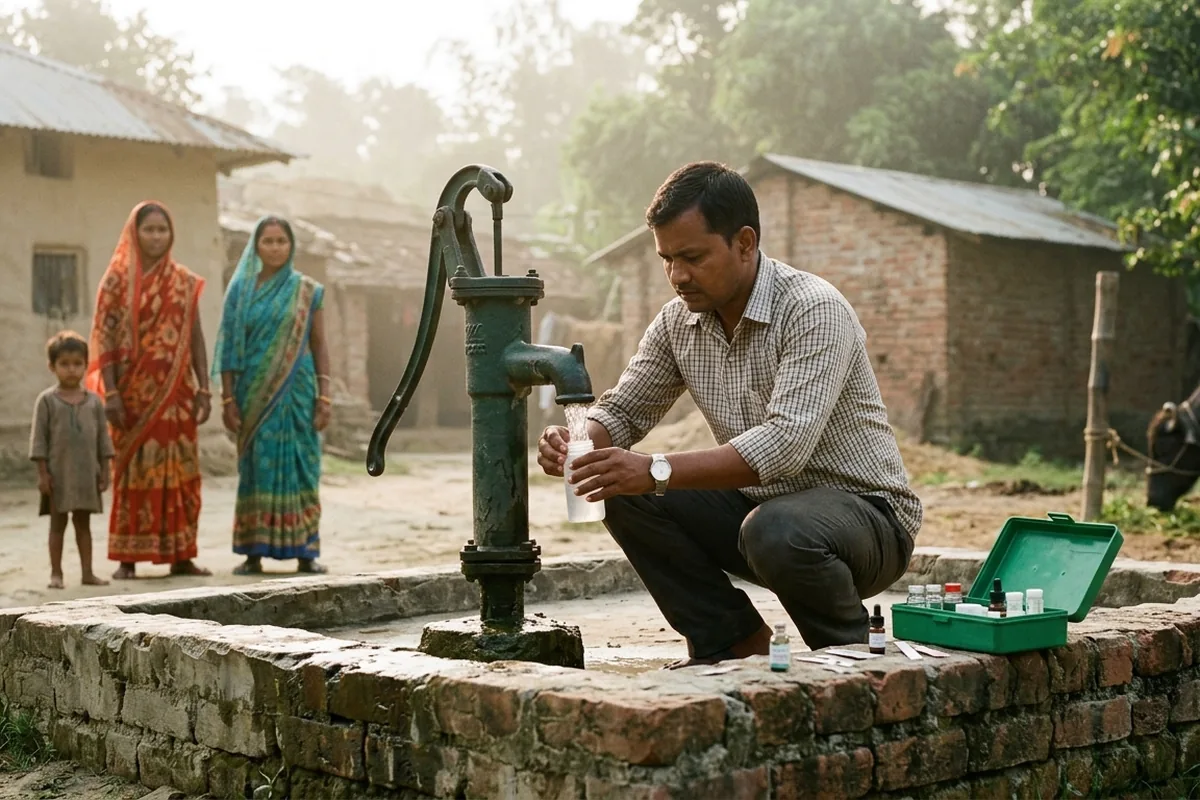
- A letter from the ward office or the school tied to whatever activity you are funding. A camp, a scholarship or a water test that no public body has heard of is worth a second question.
We go through the same list from the donor's side, with the phone numbers, in our guide to how to check if an NGO in Nepal is registered, and the giving-side version is in what to check before donating to a charity in Nepal. Nepali readers may prefer संस्थाको सामाजिक परीक्षण र वार्षिक प्रतिवेदन, which covers the same three documents in Nepali.
What the paperwork does not tell you
Three honest limits, because a trail that is oversold is worse than one described plainly.
- There is no legal cap on administrative costs in Nepal and no national rating body. The "92% goes to programmes" style of figure comes from US charity raters and has no Nepali equivalent. The only number you can actually verify here is the one printed under the administrative head in the audited statement. Treat "100% of your donation reaches the field" as a claim to be tested, not a credential — somebody drives the ambulance, and that person is paid out of something.
- Public social audit is a practice, not a standard. Schools, health facilities and local governments have social audit frameworks; the NGO sector does not have one unified national standard, and a Nepali commentary in Asoj 2083 argued that sector social audits often become annual presentations rather than genuine community accountability. Reading the figures aloud in front of the ward is still the best thing a small organisation can do. Just know it is a choice, not a filing.
- Registration is not activity. District offices carry large numbers of dormant associations: the Morang DAO has around 4,600 on its register and has had to run a records clean-up because many had not renewed for years, some for more than five. A certificate proves an organisation was born. The renewal grid proves it is alive.
Frequently asked questions
Can I claim tax relief on a donation to a Nepali charity?
Only within a narrow limit, and only to an approved organisation. Section 12 of the Income Tax Act, 2058 lets a person deduct a donation given to an organisation "entitled to tax exemption approved by the Department", and caps it at Rs 100,000 or five percent of adjusted taxable income, whichever is lower. A receipt alone does not create the deduction — the organisation has to hold the exemption approval from the Inland Revenue Department. Ask the organisation, and confirm the treatment with your own tax adviser or your Inland Revenue office.
Can a charity in Nepal take money from abroad?
Yes, but not freely. Assistance from foreign countries, international organisations or foreign individuals requires a project proposal and permission through the Social Welfare Council under section 16 of the Social Welfare Act, and the money has to come through a commercial bank in Nepal. A small local organisation that quietly accepts a foreign transfer without that approval is creating a problem for itself, not showing flexibility.
Are NGOs in Nepal required to publish their accounts online?
No. The duty is to file — with the District Administration Office every year, and with the Social Welfare Council if affiliated — not to publish. Publishing is voluntary, which is exactly why asking for the documents directly works better than searching for them.
What happens to the money if the organisation closes?
Under section 14 of the Associations Registration Act, if an association is dissolved, all of its assets devolve on the Government of Nepal. Members cannot divide the remainder among themselves. Whatever your donation bought stays in public hands.
How do I verify an organisation in Dhanusha specifically?
Take the registered name and the registration number to the District Administration Office in Janakpur and ask the संस्था दर्ता section to check the register and the renewal record. For affiliation and renewal questions at national level, the Social Welfare Council's coordination section at Hariharbhawan, Lalitpur is the office that handles NGO affiliation and renewal.
Come and read the file
The most useful thing a donor in Nepal can do is stop asking organisations what they achieved and start asking which document says so. If you are considering supporting the causes this charity in Nepal runs — scholarships, water testing, health camps, women's skill training — write or phone us first and ask for the certificate with its renewal grid and the last audited statement, or come to the office in Ganeshman Charnath and read them there. Our contact details are here. We would rather spend an hour on that than receive money from someone who never checked.
Leave a comment
Your email address will not be published. Required fields are marked *