
NGO Internship in Nepal for Nepali Students, No Fee
Every internship result on page one is a placement package priced in dollars for someone flying in. A BSW, public health or management student already living in Nepal can write to a registered local NGO directly and get a supervised field placement and a certificate for nothing.
In this article (8)
- Page one is priced for a foreigner, not for you
- What a field placement with an NGO in Madhesh Province actually involves
- Verify the organisation before you commit your semester
- How to write the approach email
- Unpaid internship rules in Nepal: what the law covers
- What an internship certificate from an NGO can and cannot say
- Asking us for a placement
- Questions students ask
If you are a BSW, public health, development studies or management student looking for an NGO internship in Nepal for Nepali students, you do not need to pay a fee to anyone. You can write directly to a locally registered non-profit organization in Nepal, agree your hours, your supervisor and your dates, do the work, and finish with a signed certificate. The placement websites filling page one of Google are not the gatekeepers of those seats. They are selling a different product, to a different person.
Page one is priced for a foreigner, not for you
Interns in Asia advertises non-profit and NGO internship placements in Nepal at roughly USD 4,700 for six months on the basic tier and USD 8,400 with shared housing and airport pickup. Volunteer Society Nepal's social work internship is built around a two-week minimum with a host family, meals, orientation and placement coordination.
There is nothing dishonest about either. They are travel-and-logistics packages: a bed, food, a visa answer, someone at the airport. If you are already in Nepal, you have all of that. You would be paying several thousand dollars for an introduction you can make yourself in one email.
The one to watch is closer to home. Nepal NGO Society's internship page quotes a facilitation and coordination fee of 10,000 per month for "International and National Students". That fee is aimed at you. A field placement is not a product a Nepali student has to buy.
What a field placement with an NGO in Madhesh Province actually involves
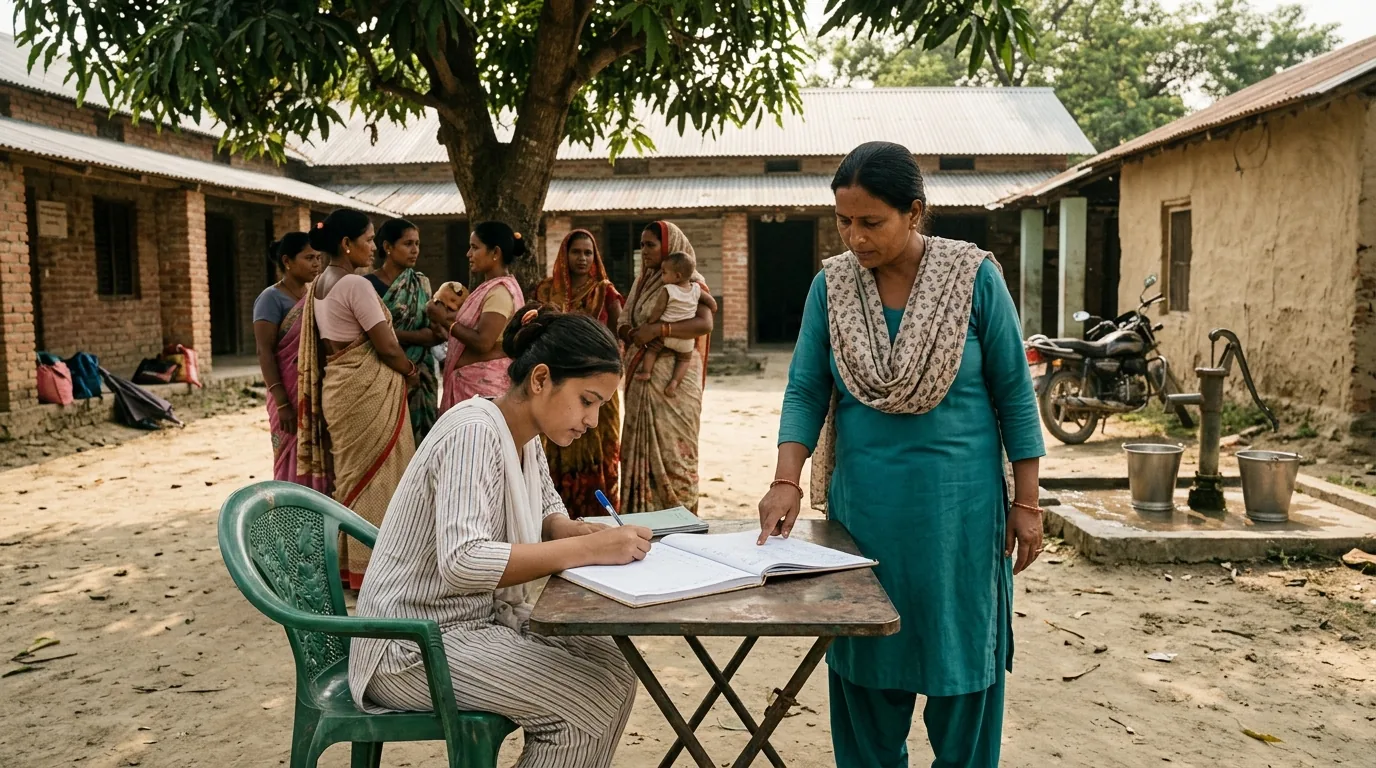
Students arrive expecting project design and leave having done register work. That is not a failure of the placement; the register work is the project. In a rural district the honest list looks like this:
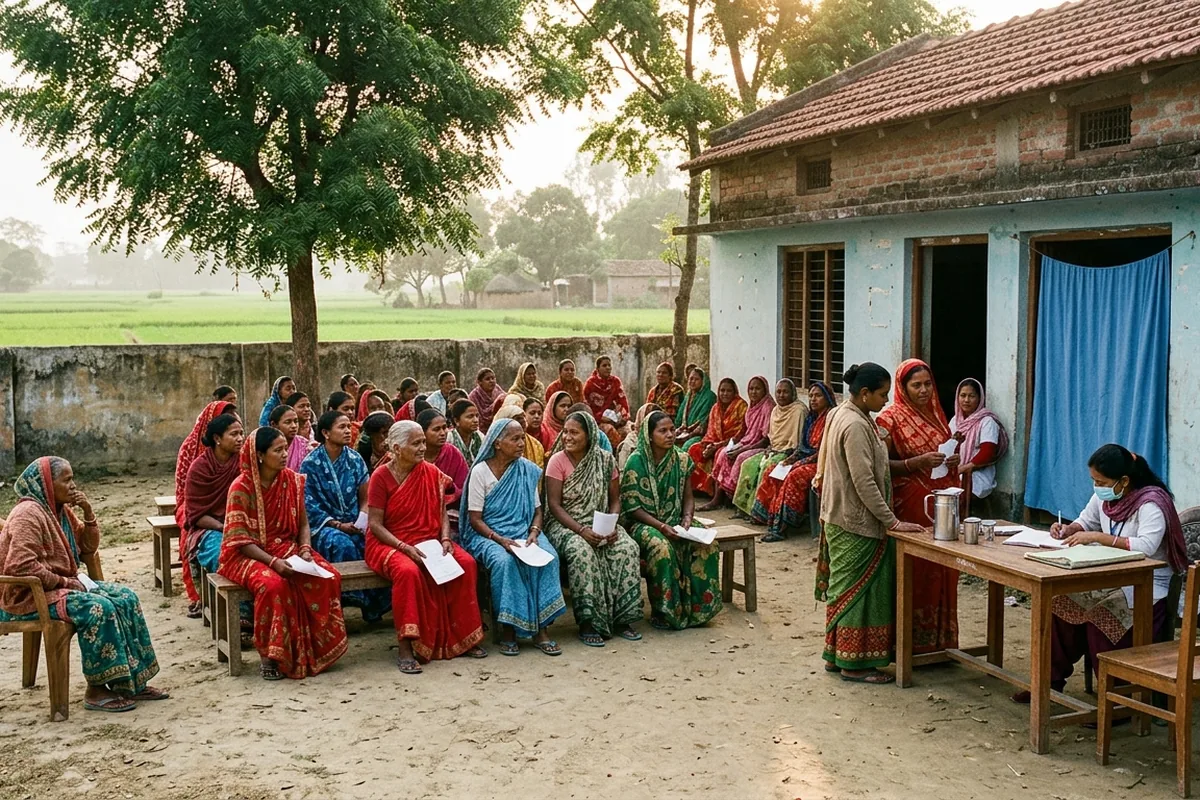
- Camp days. Registering attendees, keeping the queue in order, recording age and ward, separating follow-up cases from walk-ins. Our community health and ambulance programme runs on this kind of record-keeping.
- Verification visits. Walking to a school or ward office to confirm what an application form claims, before a scholarship or support decision is made.
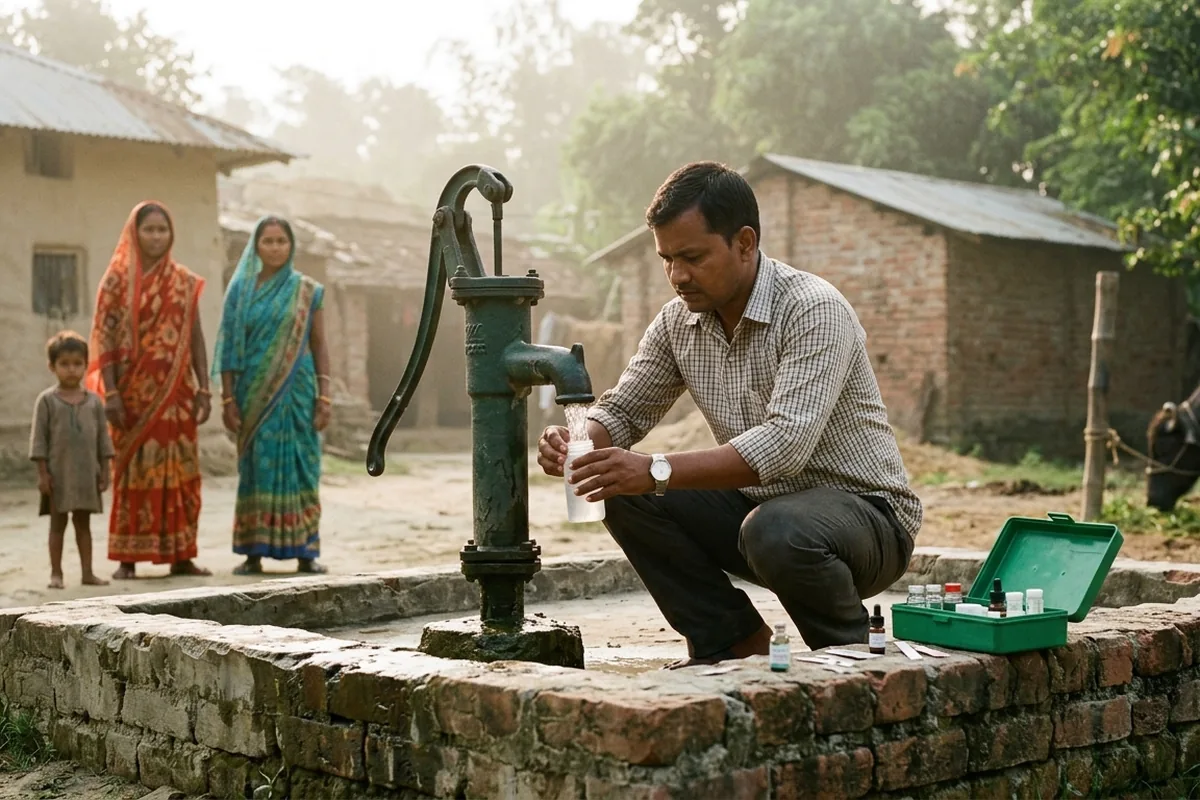
- Follow-up rounds. Returning to households three or six months after a training or a water test and asking whether anything actually changed. Most organisations are weakest here, which is why interns are useful.
- Translation and consent. Explaining a form in Maithili or Bajjika to a woman who cannot read it, and recording her answer accurately.
- Writing it up. A short, dated, honest report that someone can file. Our women's skill and livelihood training work generates more of this than anyone expects.
Expect dust, a motorbike, a day where the programme is postponed and nothing happens, and a lot of Excel. If your college expects a casework or community-organisation component, say so at the start so the supervisor can build it into your schedule rather than improvise it in your last week.
Verify the organisation before you commit your semester
A placement that collapses halfway costs you a year, not a month. Before you agree:
- Ask to see the registration certificate and the current renewal. Associations register at the District Administration Office and renew annually. An organisation that cannot produce a renewed certificate cannot reliably sign your completion letter either. We set out the full check, run on ourselves, in how to check if an NGO in Nepal is registered.
- Get a named supervisor, not an organisation name. Ask who signs your fortnightly report and whether that person is in the field or in Kathmandu.
- Ask what is running right now. If the answer is "we will start a project when funding comes", you will spend your placement waiting. Look at what the charity actually has in the field — ours is listed across the causes this charity in Nepal runs.
- Confirm there is no fee, in writing. No registration charge, no orientation charge, no certificate charge.
- Settle the certificate wording in advance, including whether it will state your total hours.
How to write the approach email
Keep it to one screen. Most small NGOs have one person reading mail between field days, and a long email gets postponed into oblivion.
Subject: Field placement request — BSW 3rd year, [college], [dates]
Line 1: Who you are, your programme, your year, your college.
Line 2: Exactly what your curriculum requires — total hours, days per week, concurrent or block, and whether your college signs an agreement with the agency. Quote the requirement; do not paraphrase it.
Line 3: Your available dates and how you will reach the field site.
Line 4: One specific thing about their work you have actually read, and what you could contribute to it — data entry, Maithili interviewing, a follow-up survey, photography.
Line 5: Ask for a 15-minute call or a visit to the office.
Attach: a one-page CV, your college's field work requirement letter if you have it, and a citizenship copy.
Send it to five organisations in your district, not one. Follow up once by phone after four working days. Silence usually means busy, not no.
Unpaid internship rules in Nepal: what the law covers
Nepal's Labour Act 2074 (2017) deals with apprentices and trainees in clauses 16 and 17, and caps engagement at eight hours a day and 48 hours a week. Summaries of the Act by Nepali law firms describe the intern provision as allowing a person to work as an intern pursuant to the approved syllabus of an educational institution, after an agreement is concluded with that institution — and note that an intern put on work outside that syllabus is to be treated as a regular employee, with a fine for engaging interns contrary to the Act.
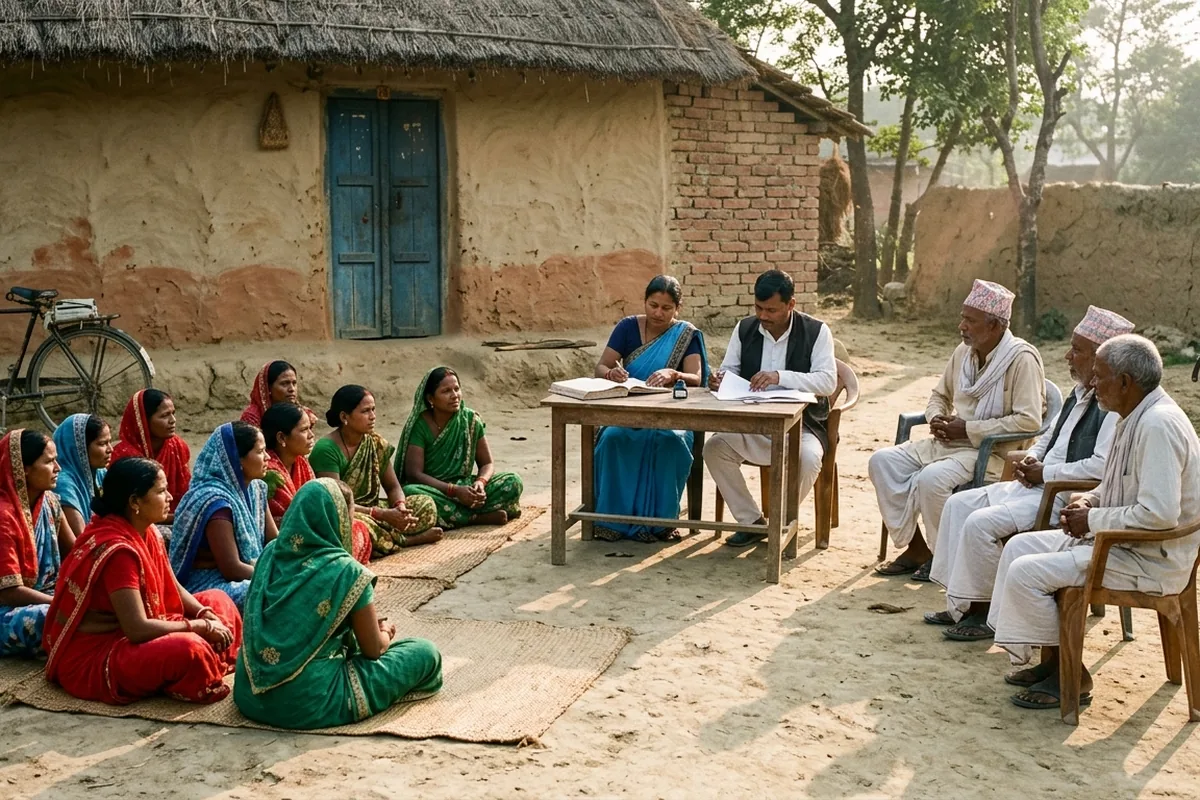
Two practical conclusions. First, the agreement between your college and the organisation is what makes an unpaid, syllabus-based placement clean; get it signed rather than starting on a verbal understanding. Second, if an organisation starts using you as unpaid general staff outside your curriculum, the arrangement has changed character and you are entitled to say so. The Kathmandu Post's reporting notes that where stipends exist in Nepal they rarely exceed Rs 5,000 a month, which is below commuting and food costs for many students — so budget for the placement honestly, and do not assume money will appear. For anything contested, ask your college's field work coordinator or the labour office, not an internet summary.
What an internship certificate from an NGO can and cannot say
| A genuine certificate states | It cannot promise |
|---|---|
| Your full name as on citizenship, and your college and programme | A job, or priority in future hiring |
| Exact start and end dates | Any professional licence or registration |
| Total hours or days completed | Hours you did not work |
| The activities and programmes you worked on | Authorship of work you did not do |
| Supervisor's name, designation, signature and the organisation's stamp | A visa, scholarship or foreign placement outcome |
Ask for the certificate on the last day, in person, with the stamp on it. Chasing a signature by phone from another district two months later is the single most common complaint students have.
Asking us for a placement
Shrijanshil Nepal is registered and based in Ganeshman Charnath Municipality, Dhanusha, and we take local volunteers directly, without a fee or an agent — the same position we set out in volunteering with an NGO in Nepal without paying a fee. You can read who we are and where we work on the page about our non-profit organization in Nepal.
If you are a student needing a supervised field placement, use the same route and say in your first message which course you are on, how many hours your college requires, your available dates, and whether your college needs to sign an agreement with us. We will tell you plainly whether we have field activity in your window and who would supervise you. If we cannot host you that semester, we will say so rather than leave you waiting.
Questions students ask
Do I need to pay for an NGO internship in Nepal?
No. Fees are a feature of inbound placement packages that bundle accommodation and airport transfers. A Nepali student approaching a registered local organisation directly should pay nothing, and should treat any "registration" or "certificate" charge as a reason to look elsewhere.
Is an unpaid internship legal in Nepal?
An unpaid placement done under your college's approved syllabus, with an agreement between the college and the organisation, is the arrangement the Labour Act contemplates. Being used as unpaid general staff outside your curriculum is a different thing. Check with your field work coordinator if you are unsure.
Will a small district NGO give me a stipend?
Usually not. Small community organisations in Madhesh run on project budgets with no intern line in them. Some will cover field travel on days you are sent out. Ask directly at the start rather than hoping.
Is a placement outside Kathmandu worth less on a CV?
The opposite, if you can describe it. A student who has registered 300 people at a health camp, verified applications at a ward office and done a follow-up round in a village has concrete answers for an interview. A student who photocopied in a city office does not.
How far ahead should I apply?
Six to eight weeks before your placement window. Field programmes are planned around the agricultural calendar, festivals and the monsoon, and a request that arrives the week you want to start usually cannot be fitted in.
If you want a field placement with us in Dhanusha, send your course details, required hours and dates through the become a volunteer form and mark it as a student field placement. Bring your college's requirement letter if you have one — it makes the first conversation much shorter.
Leave a comment
Your email address will not be published. Required fields are marked *