
Women's Skill Training Creates New Livelihoods
Skill training only pays if the trade has local buyers. Which trades clear that test in rural Dhanusha, the free CTEVT courses to apply for, and the three things that decide whether a woman is earning three months later.
In this article (5)
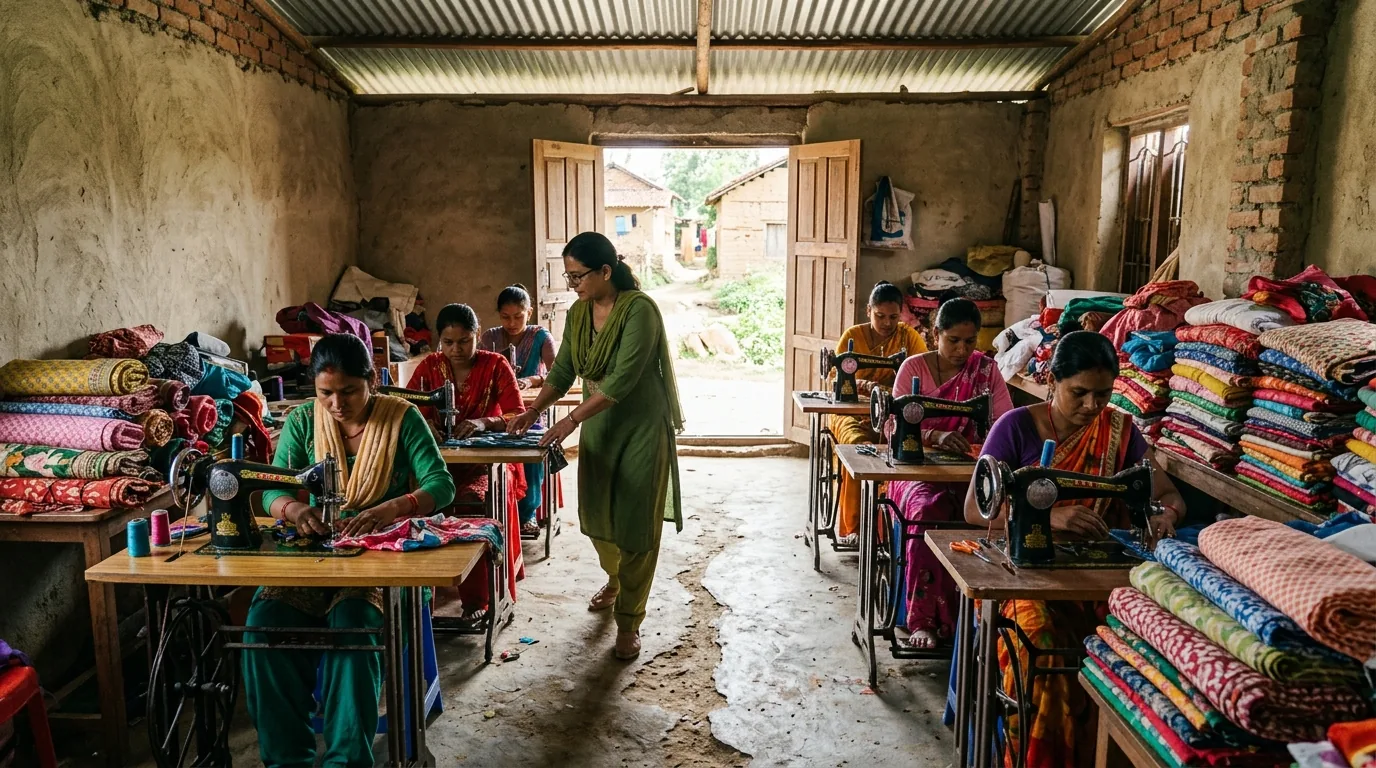
Our women's empowerment programme provides skill-based and self-employment training to women and families living below the poverty line. The point is not the certificate at the end. It is whether a woman is earning three months later, in her own ward, with what she already has around her.
Training only pays off if the trade has local demand
A skill that pays in Kathmandu may have no market in a village in Dhanusha. Before choosing a course, ask a blunt question: who in this ward pays cash for this, and how often? In the Terai the trades that usually clear that test are tailoring and blouse stitching, goat and poultry rearing, seasonal vegetable growing, and small food processing — work that has steady local buyers and does not need a shopfront.
Training in something with no local buyer produces a certificate and no income. That is the most common way a well-run course still fails the person who took it.
Free skill training for women in Nepal: what to apply for
The Council for Technical Education and Vocational Training (CTEVT) is the national body for vocational training, and it runs short courses through affiliated institutes across the country. Its curricula include trades that fit rural Madhesh directly — Community Livestock Assistant, Community Agriculture Assistant, plumbing and building electrician among them. Courses are short, practical and often subsidised or free for targeted groups.
- Find what is running near you through the CTEVT training portal, or ask at the municipality — local governments also fund skill training out of their own budgets.
- Ask about the skill test. A National Skill Testing Board certificate is what turns "I can sew" into a documented qualification, and it matters if you later apply for a loan or a job rather than working for yourself.
- Check what the course does not cover — travel, childcare and the days of lost work are the real barriers for most women, and are worth raising with the organiser before enrolling rather than after.
What happens after the training ends
The months after a course are where most livelihoods are won or lost. Three things make the difference more than the training itself:
- A working tool of her own. A tailor without a machine is not a tailor. Whether it comes through a savings group, a subsidy or the household, the equipment question has to be settled before the course finishes, not after.
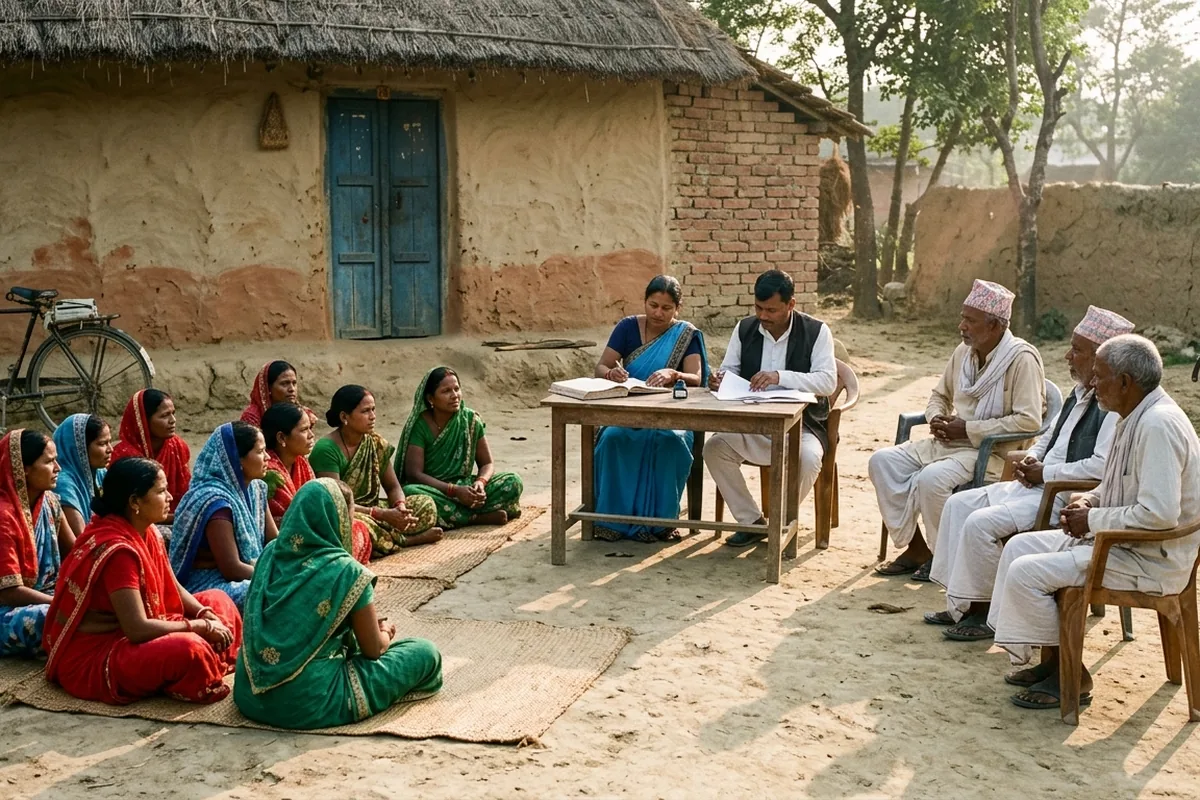
- A savings group that actually meets. Small regular savings with other women in the tole is how most rural businesses here get their first working capital, and it comes without the interest a moneylender charges.
- The first five customers. Almost always neighbours. Word of mouth in a tole is faster and more reliable than any advertising, and it is why starting close to home beats starting big.
Why this work sits with our other programmes
A woman earning her own income changes what her household can absorb without falling apart — a hospital bill, a failed crop, a child's exam fees. It is directly connected to whether children stay in school and whether families reach health services, which is why skill training runs alongside our education support and health work rather than separately from it.
If you want to join or to host a training
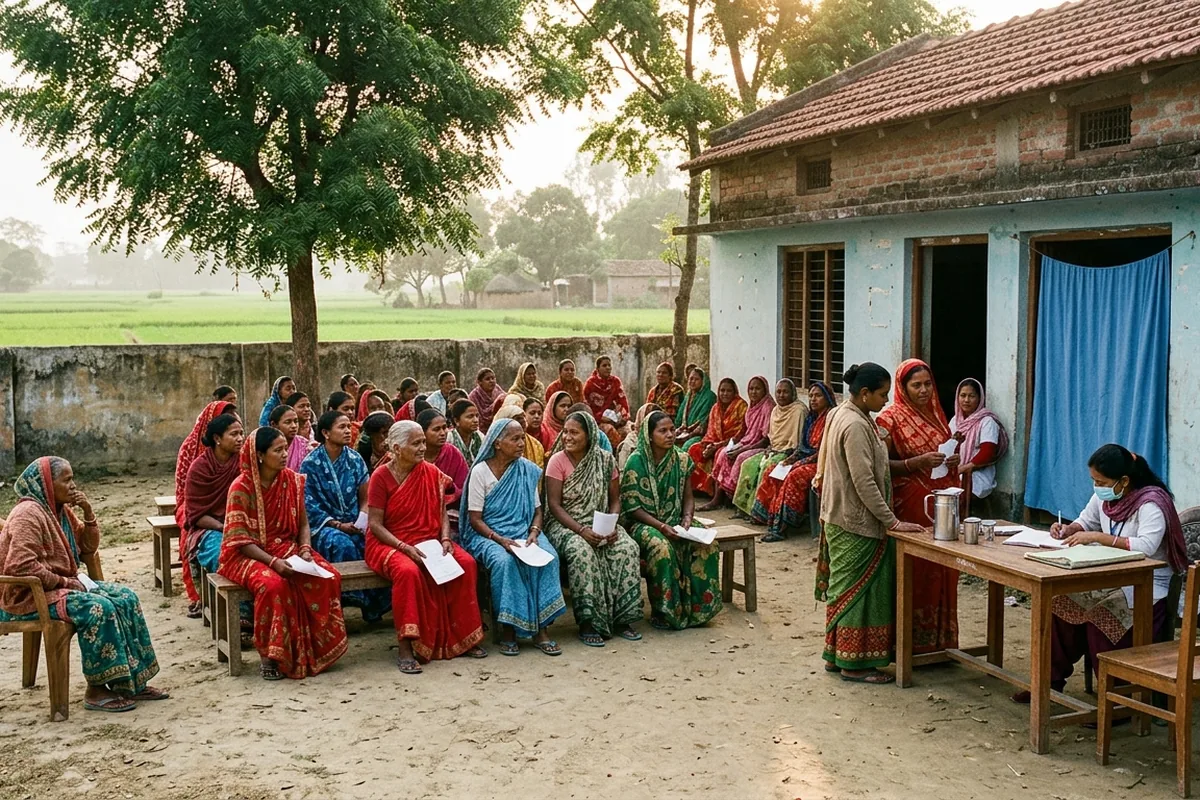
We are interested in hearing from two kinds of people: women who want training and cannot find a course that fits their ward, and mothers' groups or cooperatives who can bring together a batch of trainees and a venue. A group of fifteen women with a room and a date is a far easier programme to organise than fifteen separate requests. Tell us what trade you want and which ward you are in through our contact page.
Leave a comment
Your email address will not be published. Required fields are marked *