
Tree Plantation Drive for a Greener Tomorrow
Planting a sapling is the easy part. Species that suit the Terai, why tree-guards decide the outcome, and the one practice that separates a plantation that lasts from a photograph.
In this article (4)
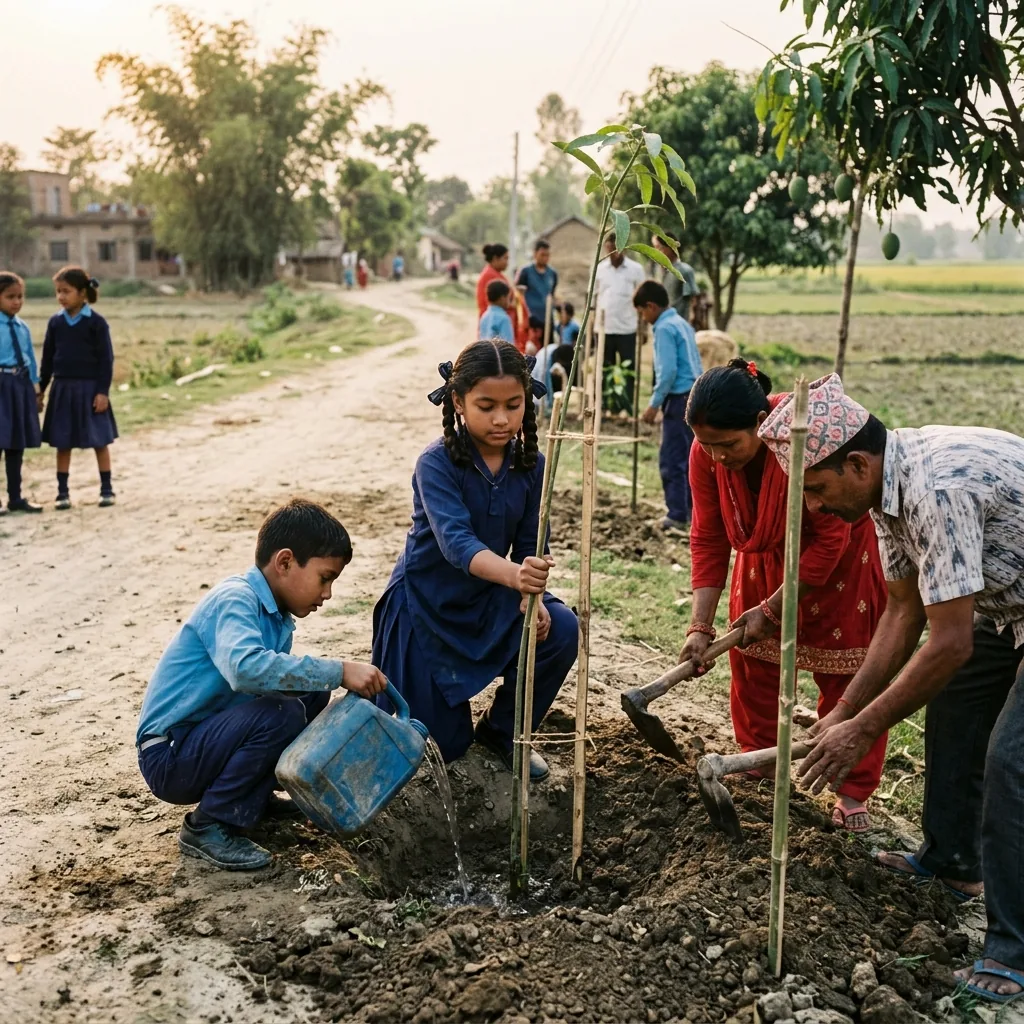
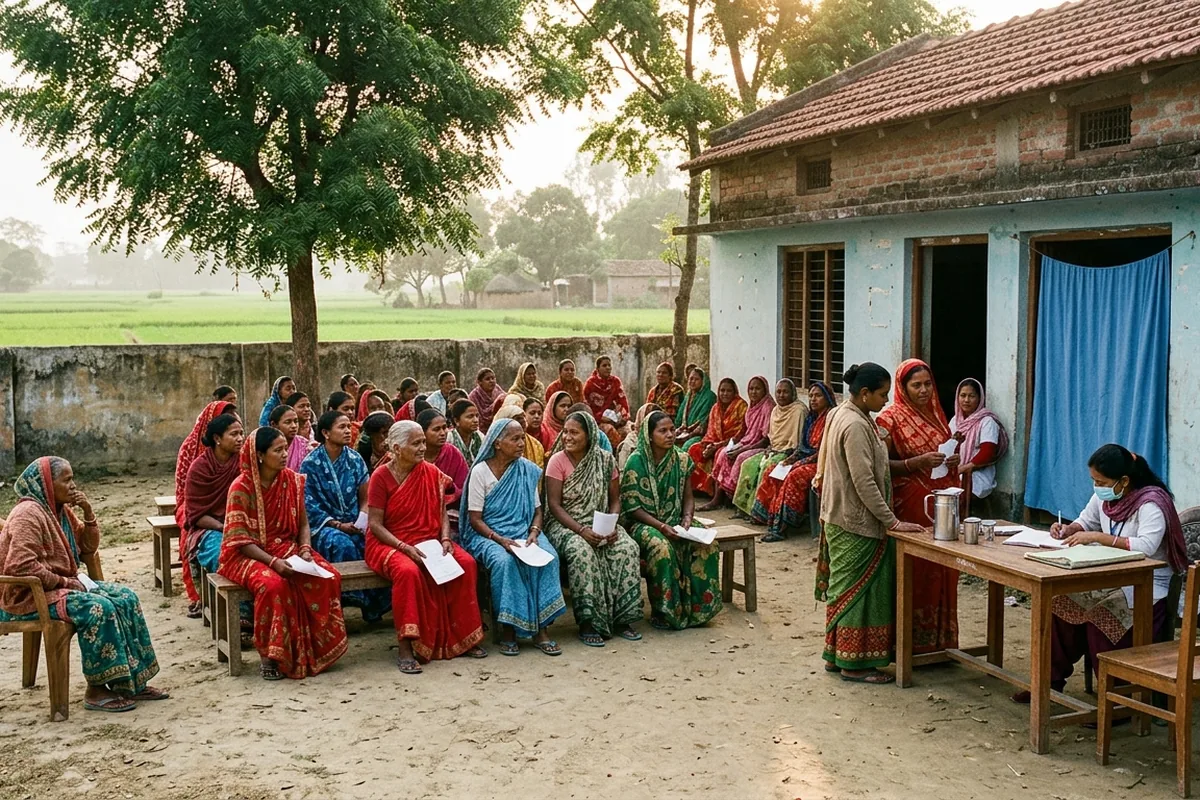
Shrijanshil Nepal held a tree-plantation drive together with local students and volunteers, alongside awareness sessions on protecting the natural environment. Most tree plantation in Nepal is done in the monsoon, when rain makes it look easy. Planting day is the easy part. Whether those saplings are alive next summer depends on decisions made before the first pit is dug.
Planting is not the hard part — the first dry season is
A sapling put in the ground during the monsoon will look healthy for months on free rain. Its real test comes in the dry months that follow, when nobody is watching and the volunteers have gone home. Most plantation failures in the Terai are not caused by bad planting. They are caused by three things: goats, no water in the dry season, and nobody being responsible.
Choose species that belong here
The Terai plains support species that reward the effort rather than merely surviving it. Neem gives shade and resists pests. Sissoo and bamboo grow fast and are useful. Mango, jamun and litchi eventually feed a household. Bamboo also stabilises a canal bank or a pond edge in a way an ornamental tree never will. Picking a species because it is available at the nursery, rather than because it suits the site, is how a row of dead sticks ends up along a village road.
Put the pit in the right place
- Dig wider than you think — a pit roughly two feet across and two feet deep, refilled with loose topsoil mixed with compost, lets young roots spread instead of hitting hard pan.
- Keep saplings well clear of overhead lines, hand pumps and house foundations. A tree planted against a wall becomes somebody's problem in fifteen years, and will be cut.
- Plant during the monsoon so the first months are watered for free, and plant in the evening rather than the midday heat.
Protect it, or feed it to the goats
An unguarded sapling in a village in Dhanusha is livestock fodder within a week. A bamboo tree-guard or a thorn cage around each plant is not optional here — it is the cheapest part of the whole exercise and the part that decides the outcome.
Give every tree an owner
This is the single practice that separates a plantation that lasts from a photograph. Before planting, assign each sapling to someone by name — a specific class in the school, a specific household on that stretch of road, a specific ward member. "Everyone" waters nothing. A named child who checks one tree on the way home will keep it alive through a dry April.
Set a simple check at the end of the dry season: count how many are alive, not how many were planted. A drive that puts in 200 saplings and keeps 150 has done far better than one that puts in 500 and keeps 40, and only counting tells you which one you ran.
Working with the ward
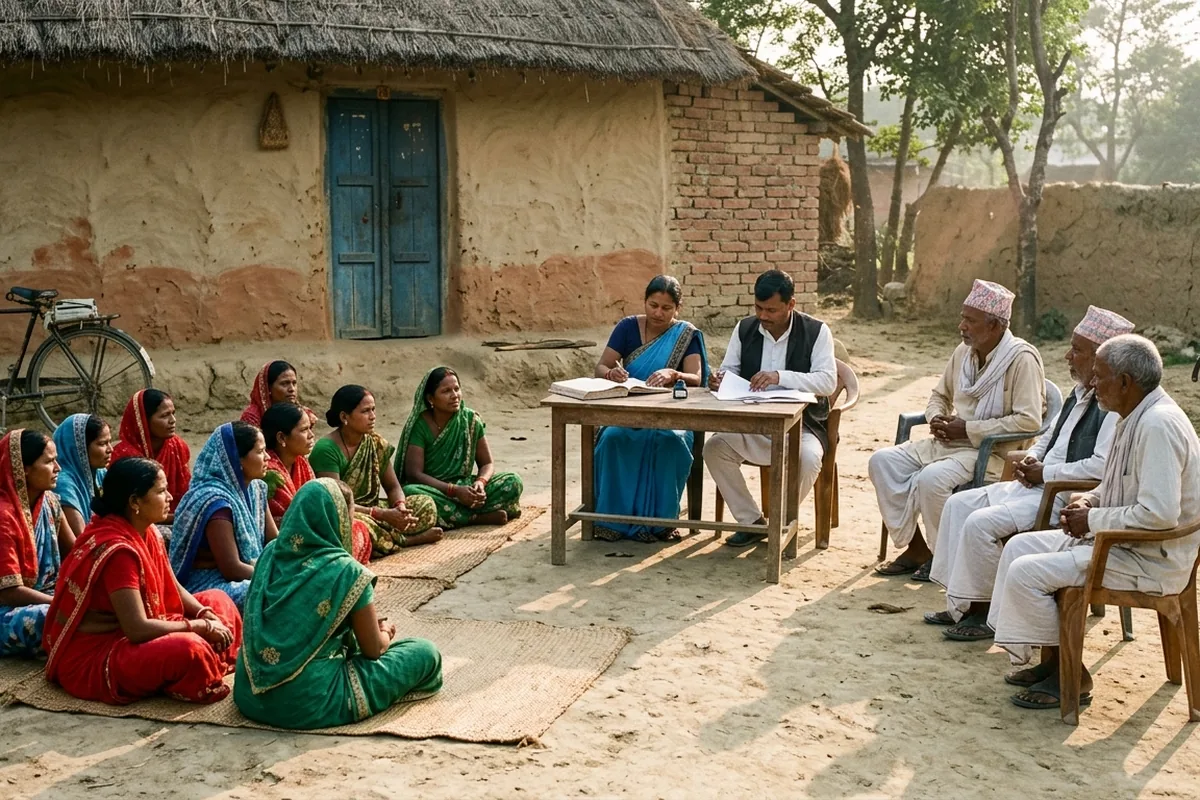
Roadside and public-land planting works best when the ward office knows about it, because the ward decides what happens to that land later. A plantation recorded with the ward is one that road widening or a new drain is more likely to work around. Schools are natural partners too — a school compound has walls, water and children who come back every day, which covers all three failure points at once.
Join the next drive
We run plantation and awareness activity as part of our wider community work, which you can see across our causes and on the events page. If your school, tole or ward wants to plant this monsoon, tell us where the land is, who owns it, and who will water the trees in March — that last answer matters more than the number of saplings.
Leave a comment
Your email address will not be published. Required fields are marked *