
Scholarships Awarded to Deserving Students
Fees, books and uniforms are what end a rural child's schooling, not ability. The government scholarships families should claim first, how to apply through the school and ward, and where our support fits.
In this article (4)
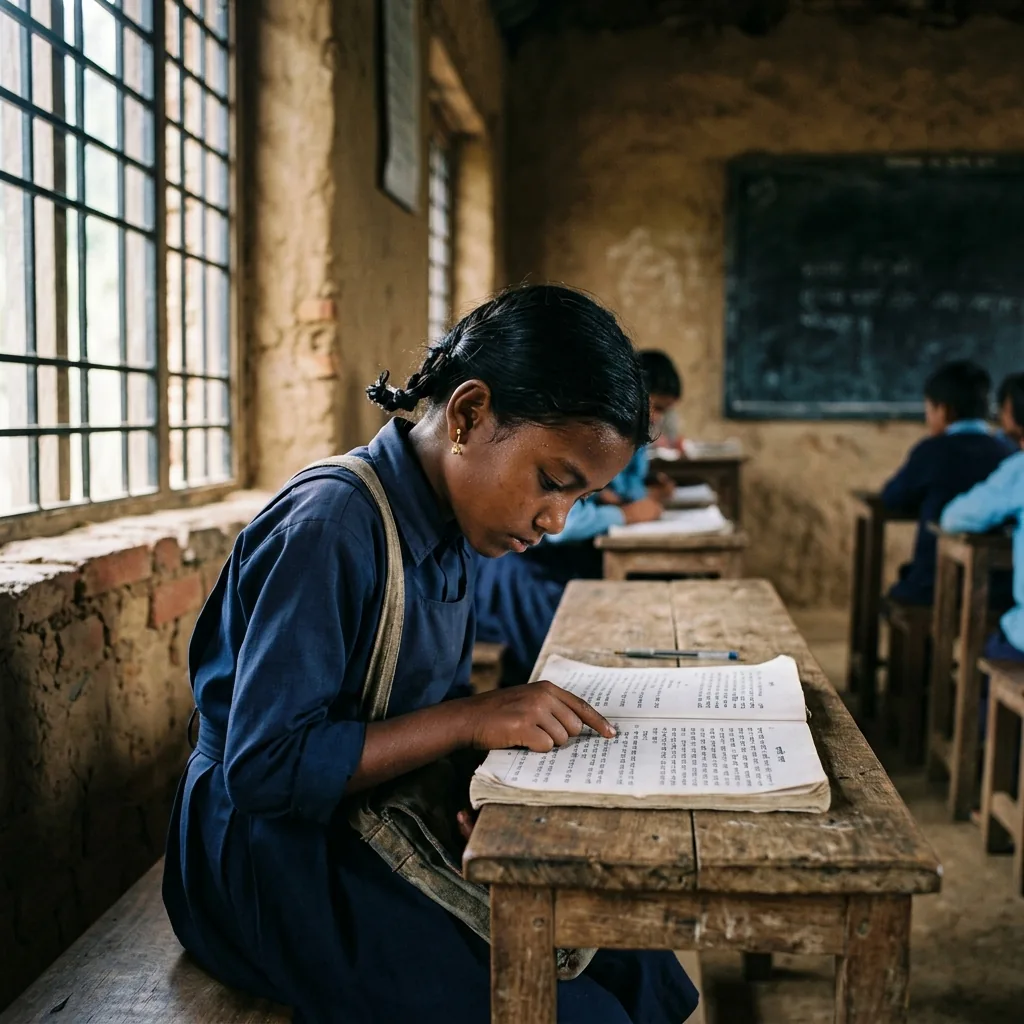
Shrijanshil Nepal awarded scholarships covering fees, books and uniforms to bright students who would otherwise have been forced to leave school. Those three costs are usually what ends a child's education in a rural ward — not tuition alone, and rarely a lack of ability.
What actually pushes a child out of school
By the time a family decides to stop sending a child, the reasons have stacked up: a uniform that no longer fits, exam fees due in a month when there is no harvest income, a younger sibling who needs looking after, or a book list the household cannot cover. Each item is small. Together they are decisive, and they fall hardest on girls and on first-generation learners.
A scholarship that covers fees but leaves the uniform and books unpaid often fails for that reason. That is why our support is written around the whole cost of attending, not the fee line alone.
Government scholarships families should claim first
Before looking for outside help, check what the state already owes your child. The main scholarship for poor students in Nepal is not one scheme but several streams, run through schools and local government:
- School-level scholarships under the Education Act — Dalit scholarships, scholarships for students with disabilities, secondary-education scholarships, support for children of martyrs and for marginalised groups. The Department of Education's own study of these schemes describes the categories and how they are distributed.
- The 10% rule for institutional schools. Section 16A(1) of the Education Act 2028 requires private (institutional) schools to provide free scholarships to at least 10% of enrolled students, targeting students from underprivileged, disabled, Dalit or indigenous backgrounds, and girls. Many families never ask for this because they do not know it exists — a summary of the government's scholarship types is a useful starting point.
- Technical education scholarships. CTEVT runs a special scholarship programme for students from economically disadvantaged, Dalit and Muslim communities to study technical subjects free of cost — see the pre-diploma and diploma scholarship details. For a student who will not go to university, this is often the highest-value option available.
How to apply, practically
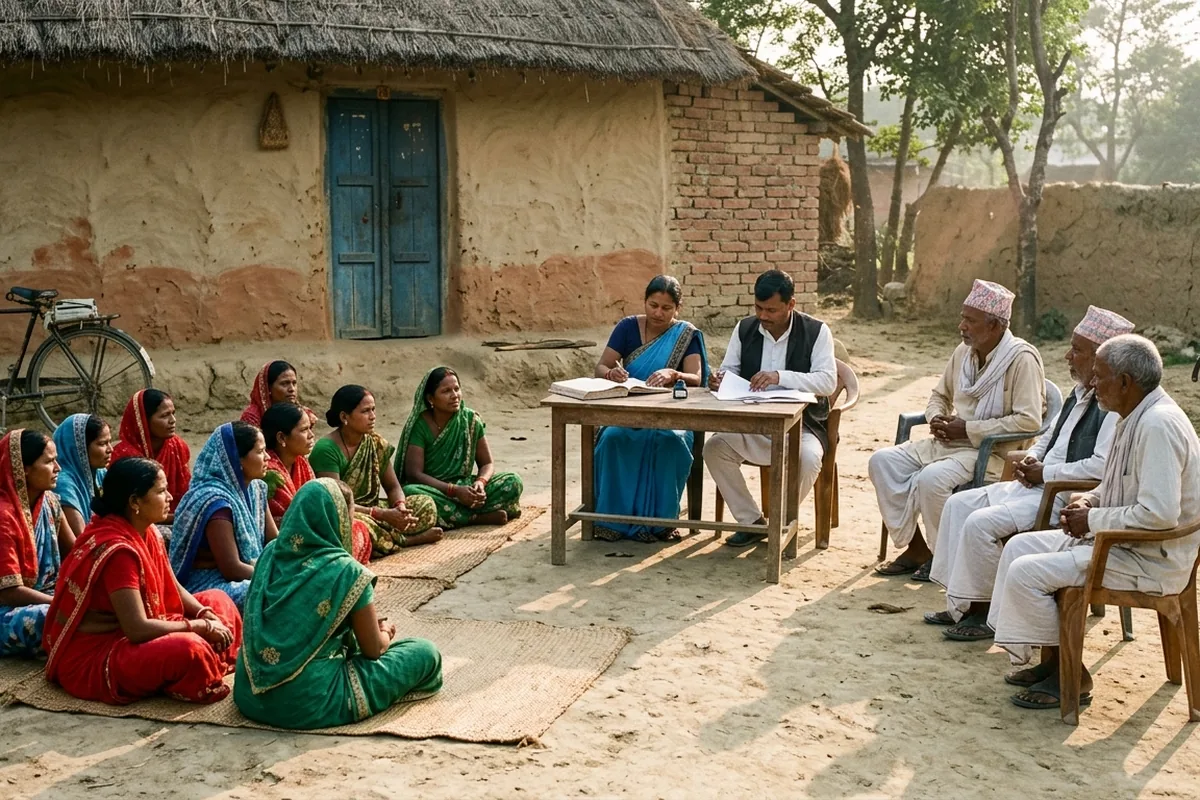
- Ask the head teacher which scholarship categories the school is distributing this session, and when the list closes. Most are decided at the start of the academic year, and a late application waits a full year.
- Keep the documents ready: the student's birth certificate, the family's ward recommendation, caste or disability documentation where the category requires it, and last year's marksheet.
- If the school says nothing is available, ask at the municipality's education section. Local governments hold their own scholarship budgets alongside the federal streams.
- Apply for more than one. Categories are not mutually exclusive, and a partial award from two sources often covers more than a single application would.
Where we fit
Our scholarships are meant for the gap the state schemes leave: the student who does not fit a reserved category, the family whose income collapsed mid-year, the girl whose household is deciding between two children. Education support sits alongside our other work in the district — you can see the range of it on our causes page and in what we do ward by ward.
If you know a student at risk of dropping out
Tell us before the child leaves, not after. A student who has already stopped attending for a season is far harder to bring back than one who is still in the classroom and short of a uniform. Teachers, ward members and neighbours are usually the first to see it coming — if that is you, contact us with the school, the ward and what the family is short of.
Leave a comment
Your email address will not be published. Required fields are marked *