
Clean Drinking Water Reaches Rural Dhanusha
A hand pump can run clear and still carry arsenic. What water-quality testing in the Terai looks for, why boiling does not remove arsenic, and how a household in Dhanusha gets its tube-well checked.
In this article (4)
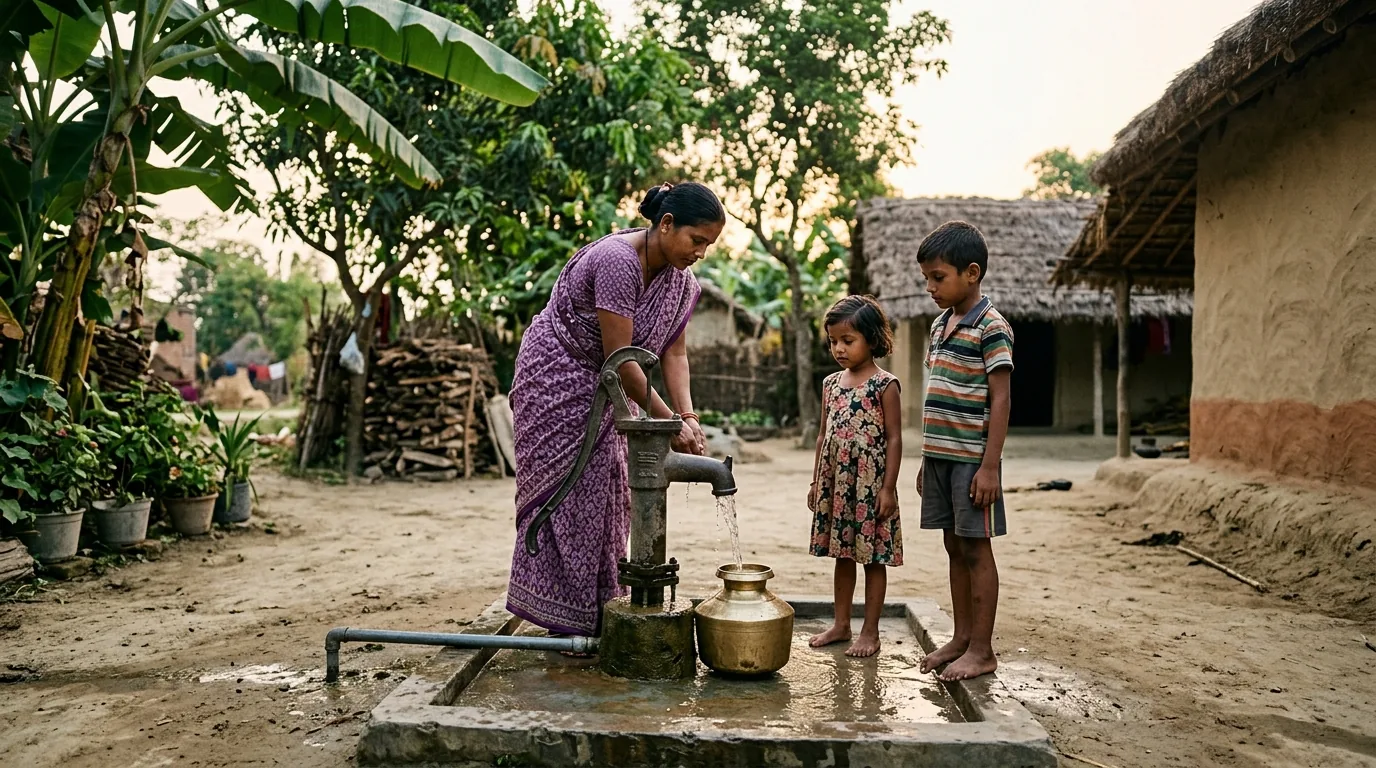
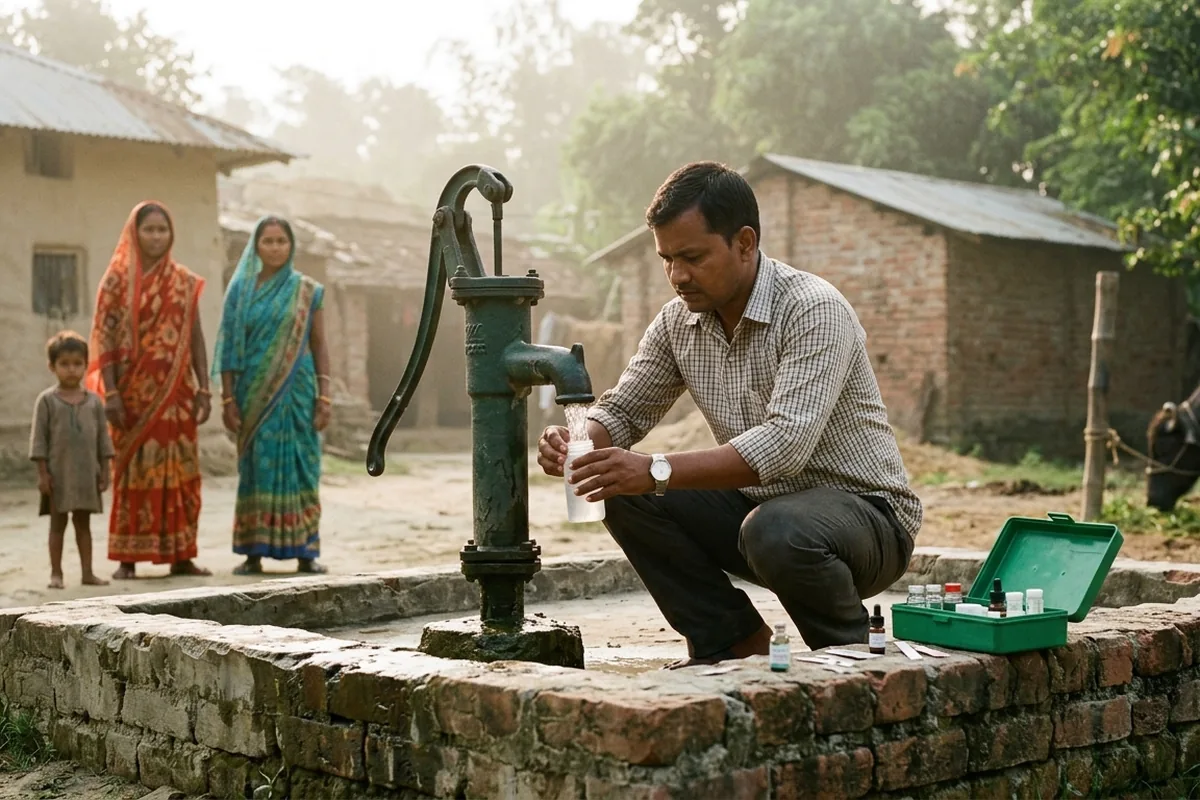
Shrijanshil Nepal has installed tube-wells and filters in rural Dhanusha and carried out water-quality testing, because in the Terai a working hand pump and safe water are not the same thing. A pump can run clear, cold and tasteless and still carry arsenic. The only way to know is to have the water tested.
Why Terai groundwater has to be tested
Arsenic in the Terai is geogenic — it comes from the sediments the aquifer sits in, not from anything a village did wrong. That is why it cannot be judged by eye. Nepal's national standard allows up to 50 parts per billion of arsenic in drinking water, while the World Health Organization guideline is 10 ppb. Blanket testing across the Terai found roughly 29% of tube-wells in 20 of 24 districts above the WHO guideline, and an overview of health concerns in the region estimates hundreds of thousands of people have been drinking water above even the national 50 ppb limit.
Arsenic poisoning is slow. It shows up years later as dark spots and hard patches on the palms and soles, and raises the long-term risk of skin, bladder and lung cancers. A family can drink contaminated water for a decade without a single day of visible illness.
The one thing most people get wrong
Boiling does not remove arsenic. Boiling kills bacteria, which is why it protects against diarrhoeal illness — but as water boils off, the arsenic that stays behind becomes more concentrated, not less. The same is true of cloth filtering and of letting water stand. Removing arsenic needs a filter built for it, such as an iron-based arsenic filter, or a switch to a source that has tested safe.
What a household in Dhanusha can do
- Find out if your pump has been tested. In tested areas, spouts were marked with paint — red for unsafe, another colour for safe. Paint fades and pumps get replaced, so treat an unmarked or repainted pump as untested.
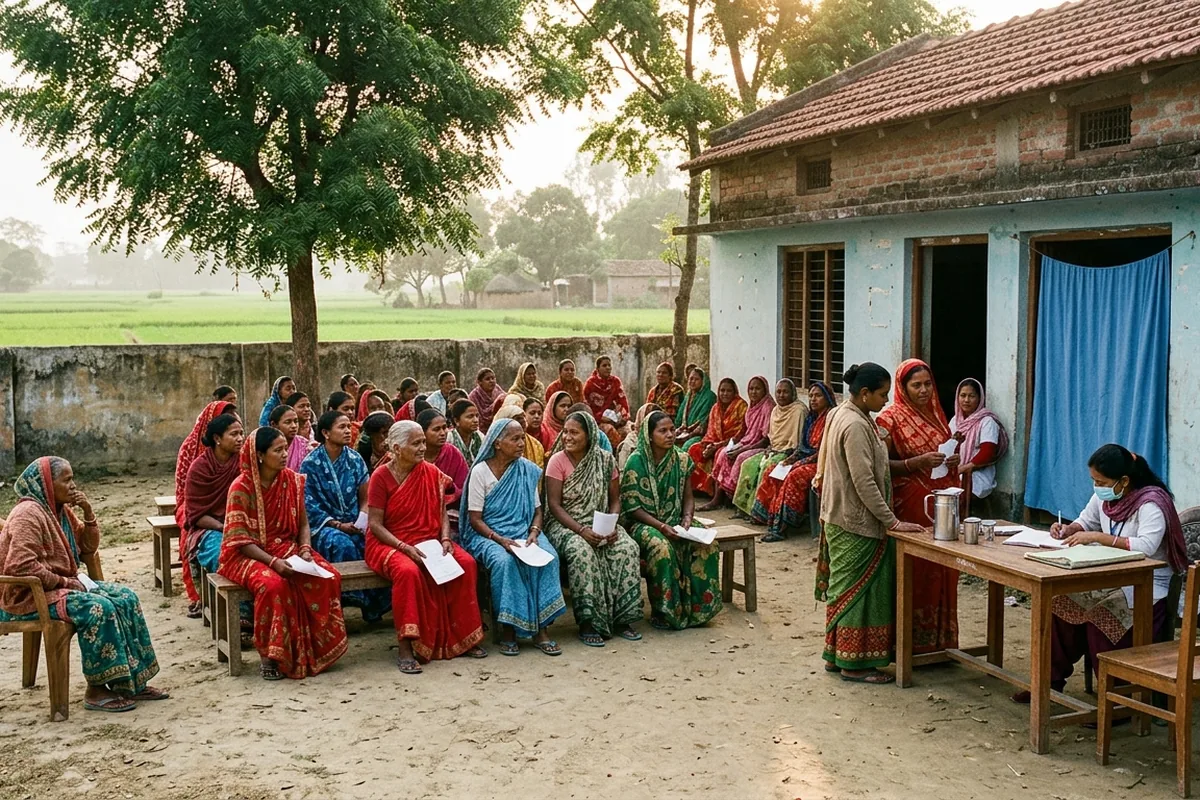
- Ask the ward office or your health post where water testing is being done. Testing is a municipal and health-office function, and requests from a tole or a school carry weight.
- Keep drinking and cooking water separate from washing water if only one source has tested safe. Bathing and laundry with arsenic-bearing water are not the main risk; drinking and cooking are.
- Maintain the platform, not just the pump. A cracked plinth lets surface water and animal waste run back down beside the casing, which is how bacterial contamination gets into an otherwise sound well.
- Re-test after any repair that deepens or re-sinks the pipe. A new depth can mean a different aquifer and a different result.
Why we test, not just install
Installing a hand pump is a photograph. Knowing what comes out of it is the actual work, and it is the part that decides whether a family is better off. That is why water-quality testing sits alongside tube-wells and filters in our programme work, and why we treat a pump as finished only once its water has been checked.
Safe water is also the cheapest health programme there is. A child who is not repeatedly ill with diarrhoea stays in school, keeps weight on, and needs fewer of the visits that a family in a rural ward can least afford. That connection to health work runs through the rest of what we do, from free health camps to school programmes.
If your tole still has no safe source
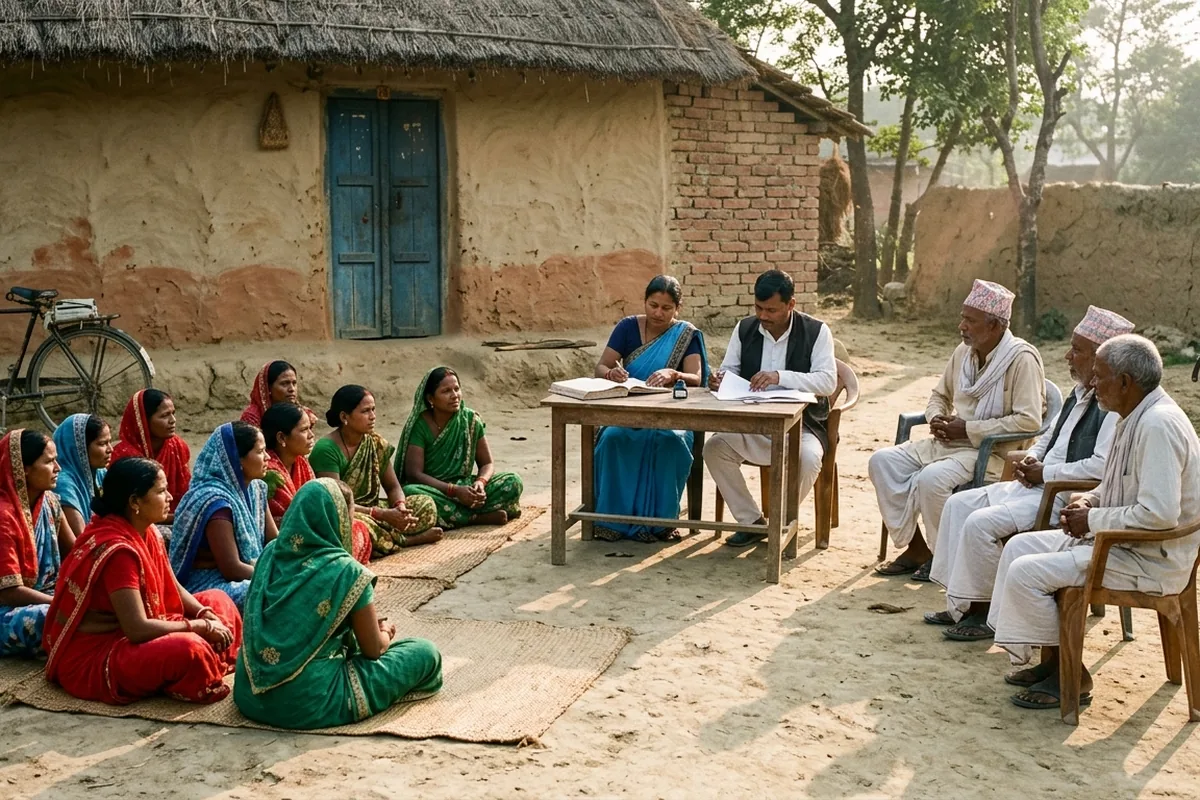
Bring it to your ward office as a written request, with the number of households affected and the pumps already in use. Wards can budget for water works, and a documented request from several households is far harder to leave out of a plan than a verbal complaint. If you want help preparing that request, or want your tole considered in our next water project, get in touch with us — tell us the ward, the tole and roughly how many families share the source.
Leave a comment
Your email address will not be published. Required fields are marked *