
What an Agriculture NGO in Madhesh Province Does
A livestock health and deworming camp, seed and kitchen-garden support, and a referral to the government veterinary offices in Janakpur. An honest account of what a small agriculture NGO in Madhesh Province can and cannot do at ward level.
In this article (7)
- What an agriculture NGO in Madhesh Province actually does in a ward
- Why deworming is the cheapest thing on the table
- Seed, kitchen gardens and why we bother
- The offices that already exist in Janakpur
- Why a charity in Nepal should not try to be a second agriculture department
- What we have not solved
- Common questions
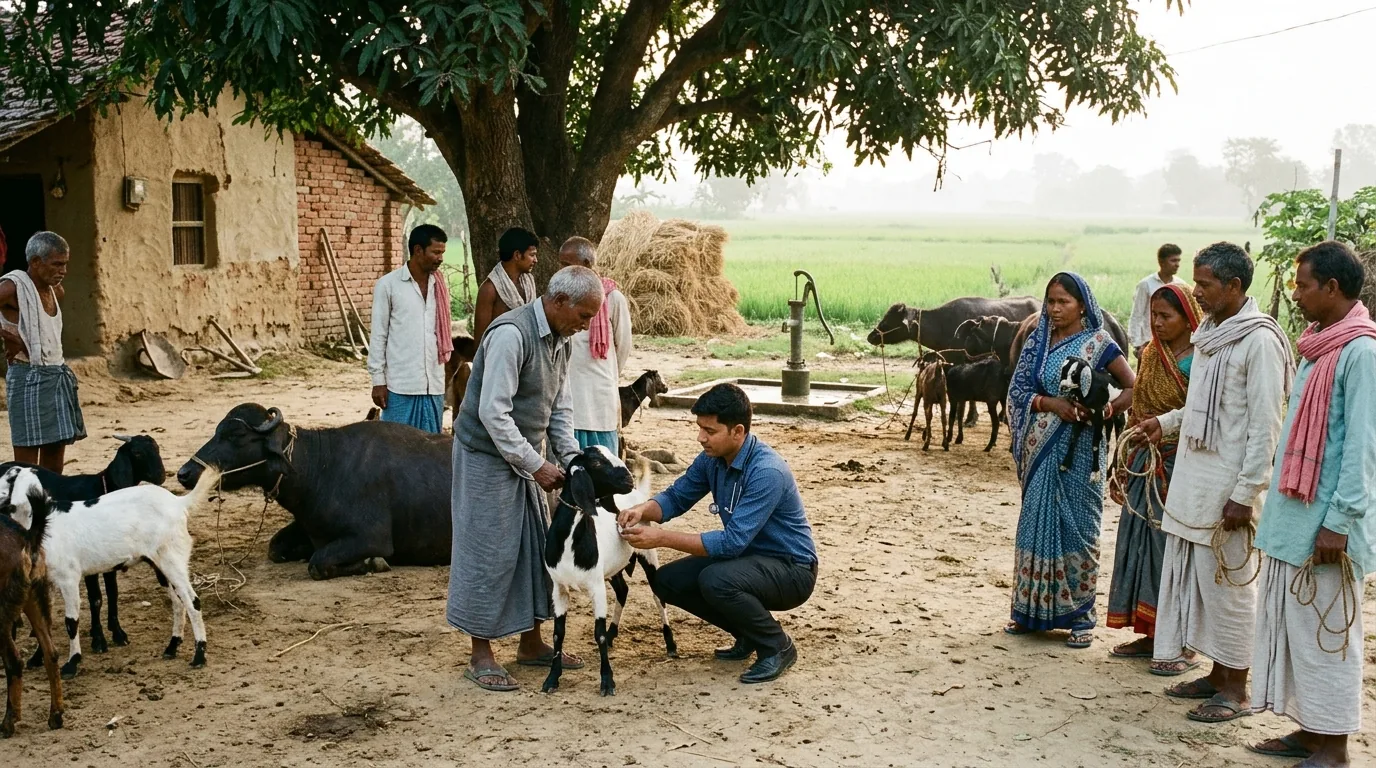
The short answer, before the detail: an agriculture NGO in Madhesh Province that is honest about its size does three things. It runs a livestock health and deworming camp so a veterinary technician reaches a ward that would otherwise have to travel to Janakpur. It puts seed and kitchen-garden support into households that are farming land but still eating badly. And it connects those households to the government veterinary and livestock offices that already exist. Shrijanshil Nepal, a non-profit organization in Nepal registered in Ganeshman Charnath Municipality, Dhanusha, spends more of its effort on the third than on the first two, and that is a deliberate choice rather than a shortage of ambition.
Searches for farm help in this province return provincial office homepages, tender notices and the project pages of large international programmes working in other districts. Very little of it tells a farmer in a Dhanusha ward what is actually available to them this month. That gap is the reason for this page.
What an agriculture NGO in Madhesh Province actually does in a ward
Madhesh is not a marginal farming region. It accounts for 19.2 percent of Nepal's total agricultural output, produces a quarter of the national paddy crop and 18 percent of the country's dairy, yet the province allocated only about 5 percent of its FY 2024/25 budget — Rs 2.57 billion of Rs 43.89 billion — to agriculture, as The Annapurna Express reported. That mismatch is the environment a small organisation works in. It is not a gap a local NGO can fill with its own money. It is a gap that can be narrowed, slightly, by making sure households actually use the services that are funded.
So the work breaks into three parts:
- Animal health days. Our Animal Health & Livestock Care Camp offers free check-ups, deworming and vaccination for livestock and pets, with visiting veterinary technicians also teaching animal nutrition, breed improvement and shed management.
- Seed and kitchen-garden support. Vegetable seed and basic guidance for households whose land grows paddy and wheat but whose kitchen buys every vegetable it eats.
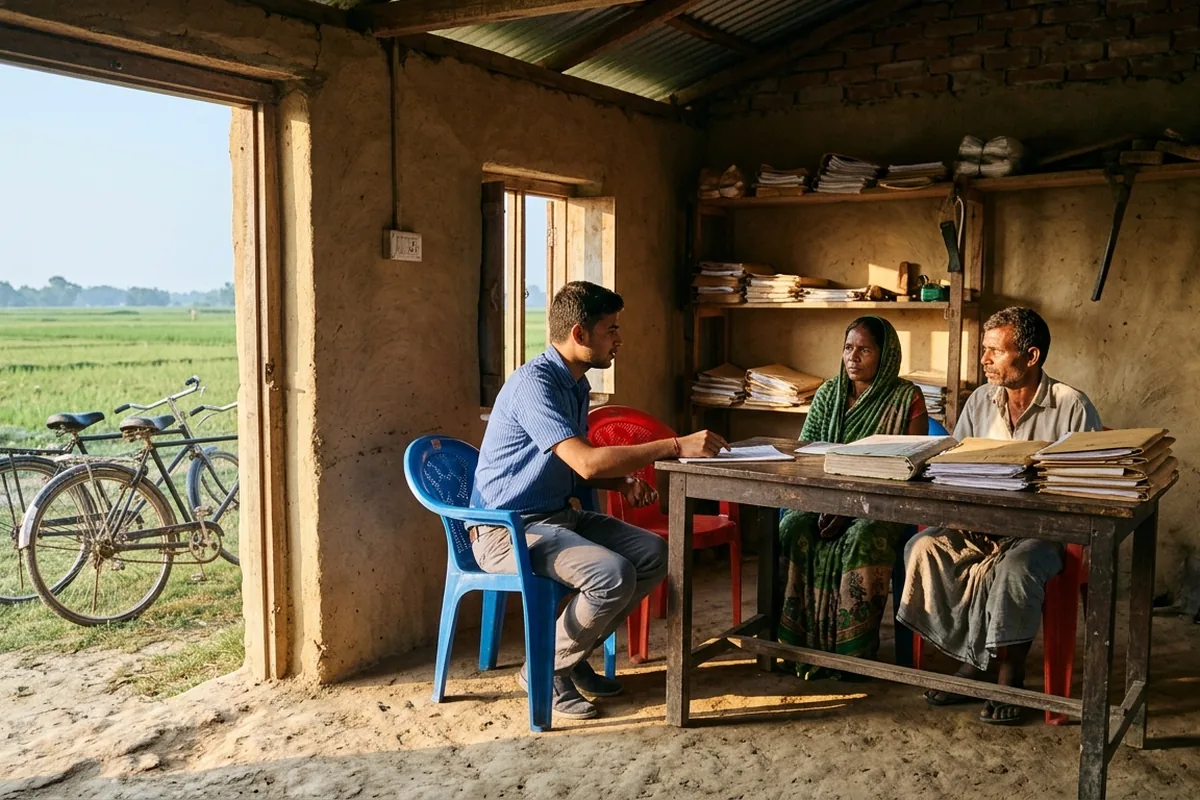
- Referral and follow-up. Telling a household which office handles their problem, and checking later whether they got there. This is the least photogenic part and the part that matters most.
Why deworming is the cheapest thing on the table
Internal parasites are the quiet tax on livestock in the Terai, and the evidence from this province is blunt. A study of 200 faecal samples from bovine calves in Birgunj, Parsa — also in Madhesh — found parasitic infection in 62 percent of them, with Fasciola species at 20 percent and Strongyloides at 15.5 percent. Calves grazing near riverbanks had significantly higher odds of infection, and subsistence farms carried a higher burden than commercial ones. Those are the households we work with.
Treating that burden is not expensive and the return is measurable. A Nepali trial on dairy animals recorded a milk yield increment of 14.06 percent in dewormed cows and 8.32 percent in dewormed buffaloes, published in Veterinary Record Open in 2020. For a household with two buffaloes, that is milk the family drinks or sells, from a drench that costs less than a day's wage.
Camps like this are a standard instrument, not an invention of ours. UNDP's recovery project in flood-hit Sarlahi ran animal health camps with the District Livestock Services Office, vaccinating against haemorrhagic septicaemia and black quarter; around 500 farmers turned up at the Dhangadha camps alone. What varies between a useful camp and a wasted one is whether anybody returns to the same households afterwards.
Seed, kitchen gardens and why we bother
A Terai household can farm all year and still feed its children a narrow diet. Nepali survey data makes the link plain: children in households owning cattle ate dairy 1.4 to 3.0 more times per week than children in households with none, and owning just one or two chickens was associated with eggs 2.8 more times per week, according to a 2020 analysis in Nutrients. Meat barely moved. The practical reading is that small, cheap assets close to the house — a few birds, a healthy milking animal, a square of vegetables by the hand pump — change what a child eats far more reliably than a larger farm plan does.
That is the logic behind our Agriculture & Livelihood Support programme: technical training, consultation and improved practice for farming families, rather than input handouts at a scale we cannot sustain.
The offices that already exist in Janakpur
Most farmers who ask us for help should be asking a government office instead, and often do not know the office exists. Before anything else, this is the list we give:
| Where to go | What it handles |
|---|---|
| Veterinary Hospital and Livestock Service Expert Centre, Dhanusha (Janakpurdham) | Animal treatment, diagnosis, referral; the district-level technical authority for livestock health |
| Livestock Service Training Centre, Dhanusha (Janakpurdham) | Training for farmers and livestock keepers |
| Municipal agriculture and livestock section, and the ward office | Local-level programmes, group registration, inclusion in the annual plan |
| Village animal health workers in the ward | First response, routine advice, basic medication |
Provincial activity is increasing, not shrinking: Madhesh is rolling out an integrated model agriculture programme in ten local units, focused on technical support, farmer training, advisory services and technology transfer, as reported in July 2026. A local organisation that builds a parallel extension service alongside that is wasting donor money and confusing farmers.
Why a charity in Nepal should not try to be a second agriculture department
Three reasons, learned rather than theorised. State services are permanent and we are not — a programme that depends on our presence collapses when a grant ends. The state has the legal mandate for vaccination, disease reporting and quarantine, and an NGO that improvises around that is not being bold, it is being unaccountable. And duplication is what makes a household stop believing anyone will come back.
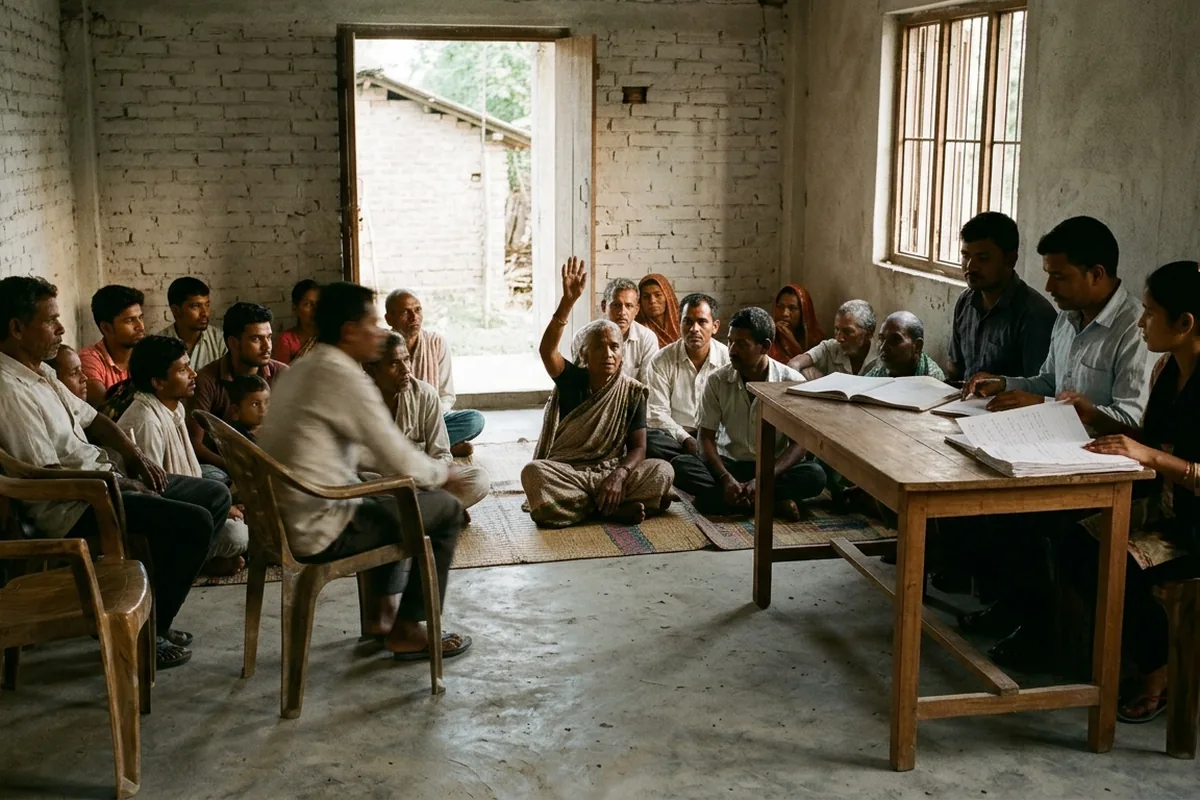
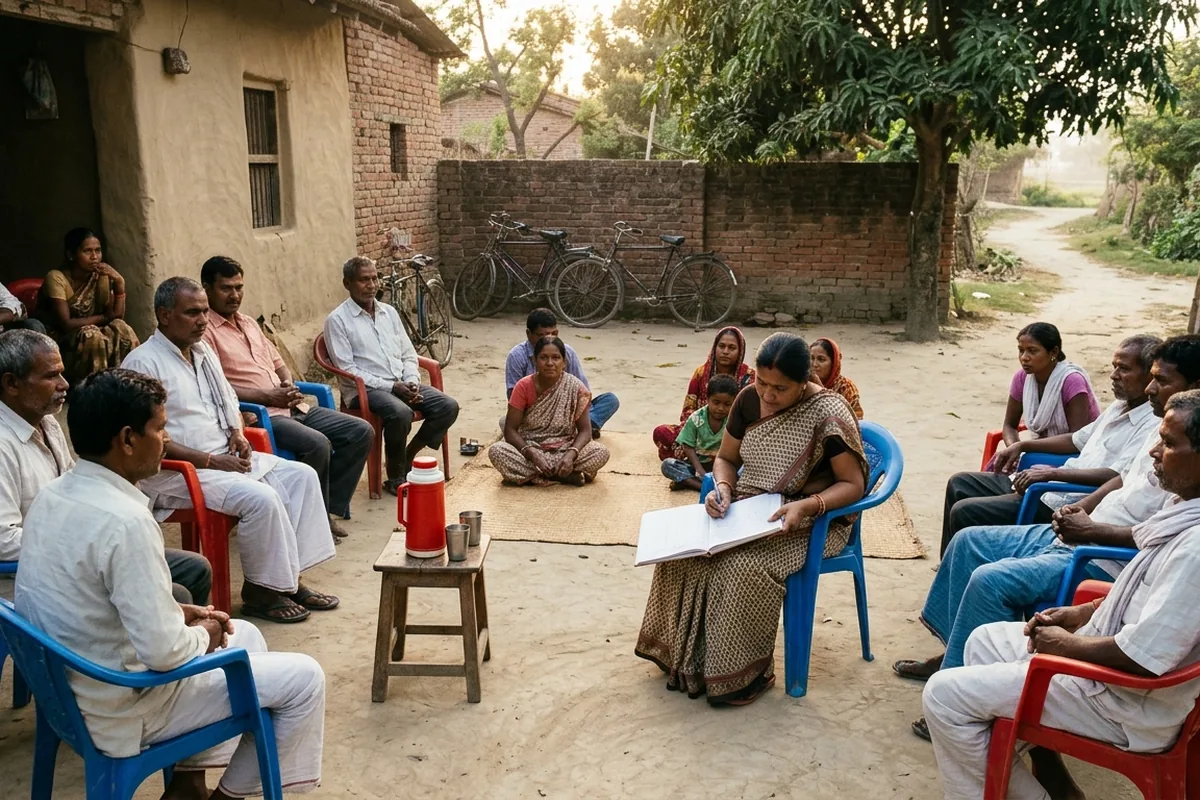
What a locally registered organisation can genuinely add is the connective tissue: mobilising a ward so that enough animals are brought on one morning to make a technician's visit worthwhile, explaining a treatment in the language the household speaks, writing down which animals were treated and when the next dose is due, and returning. The same approach runs through the rest of the causes this charity in Nepal works on, and is set out in more detail in our account of what we do ward by ward in Dhanusha.
What we have not solved
Being straight about the limits is the only way this page is worth reading:
- One camp is not herd health. Deworming needs repeating on a schedule. A single camp day treats the animals in front of it and nothing else.
- We hold no cold chain. Vaccine storage and transport belong to the veterinary service. Our camps depend entirely on their technicians and supplies being available on the day.
- We cannot subsidise inputs. Fertiliser supply, irrigation and seed subsidy are government functions with budgets far beyond ours. We do not promise them and you should be sceptical of any small organisation that does.
- Follow-up is thin. We do not yet have a reliable record of which households returned to the veterinary centre after a referral. Until we do, we cannot claim the connective work is succeeding — only that it is the right thing to attempt.
- Market linkage is unsolved. More milk or more vegetables only becomes income if there is a buyer within reach. We have no answer to this at present.
Common questions
Is veterinary treatment free in Nepal?
Some services at government veterinary centres are free or heavily subsidised, including parts of national disease control programmes, while medicines and some procedures are charged. The only reliable answer for your animal and your district comes from the Veterinary Hospital and Livestock Service Expert Centre in Janakpurdham or your municipal livestock section. Ask them before paying a private practitioner.
Which NGOs work on agriculture in Madhesh Province?
Large international programmes work mainly through districts such as Siraha, Saptari and Sarlahi, usually in partnership with municipalities. Smaller locally registered organisations work in single municipalities. There is no complete public directory, so ask the District Administration Office or your municipality which organisations are active and registered in your area.
How does a ward or farmers' group request a livestock camp?
Write a short application naming the ward, the approximate number of households and animals, a venue with shade and water, and a contact person, and send it through the ward office. The ward's recommendation matters more than the wording. You can also contact us directly and we will tell you honestly whether we can take it on this season.
Does an NGO give cash, fertiliser or subsidies to farmers?
We do not give cash to households, and we do not distribute fertiliser. Grants, subsidies and input support in Nepal flow through government channels — the municipality, the provincial ministry and federal programmes. Any organisation offering you cash in exchange for documents or a registration fee should be reported, not trusted.
How do I check this organisation is genuine?
Ask for the registration certificate and the current renewal, verify them at the District Administration Office in Dhanusha, and read about our non-profit organization in Nepal. We have worked with public bodies including the Ministry of Health and Population, Madhesh Province, on an earlier specialist camp, and we expect to be checked.
If you keep animals in Ganeshman Charnath and want to be on the list for the next animal health day — or if you are a ward secretary, cooperative or farmers' group that wants one held in your ward — send us the request through the ward office or call the number on our contact page. If the honest answer is that the provincial veterinary centre can serve you faster than we can, we will tell you that instead.
Leave a comment
Your email address will not be published. Required fields are marked *